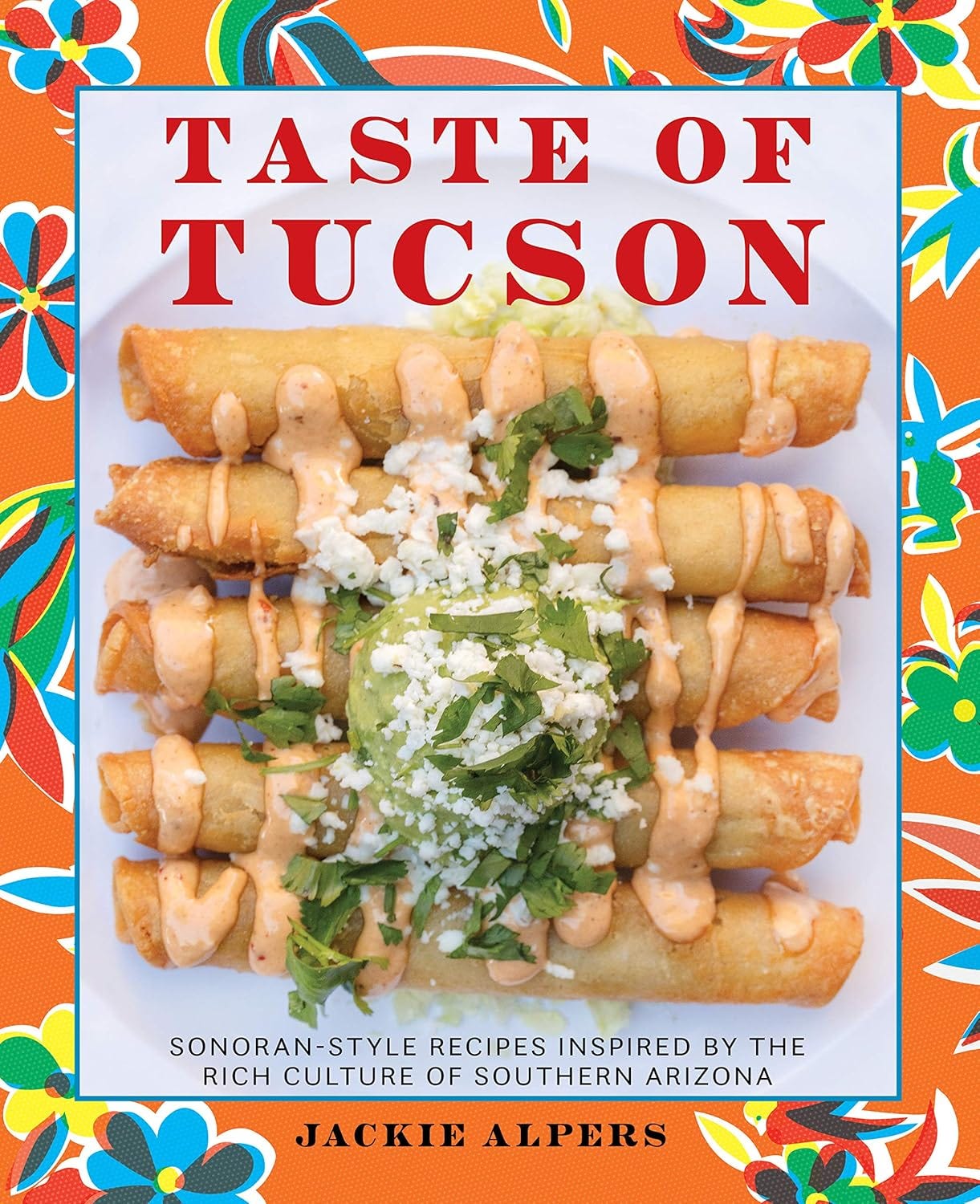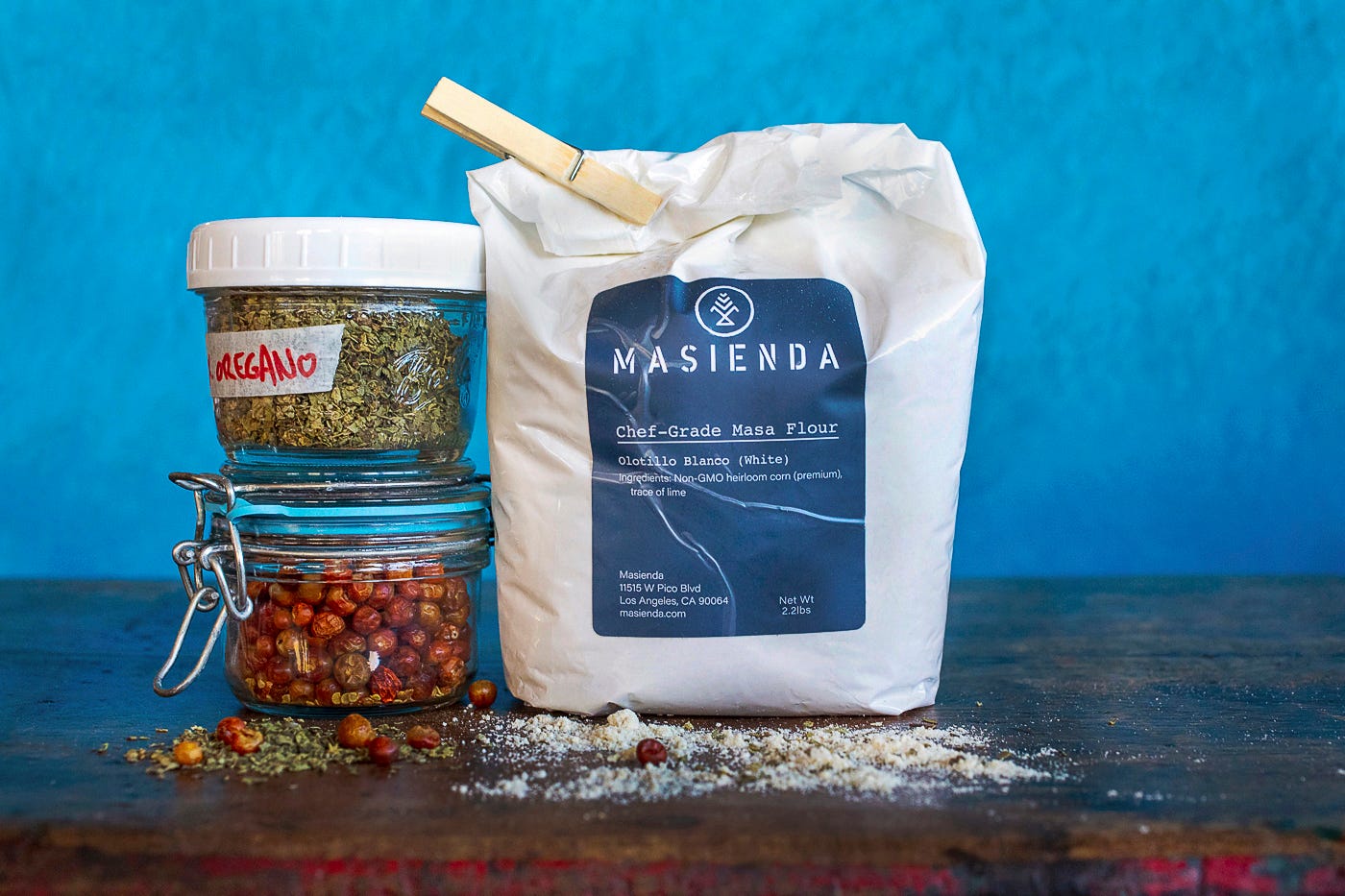
Sonoran is a unique regional cuisine originating from the Sonoran Desert which spans the lower third of Arizona, a small portion of Southern California, the Sea of Cortez, and the state of Sonora in Mexico. The symbiotic relationship with both Mexico and the desert itself has resulted in a unique style of Southwestern regional cuisine not found anywhere else in the world.
The Sonoran Desert is the most tropical desert in North America with temperatures consistently reaching over 100°F alongside the yearly summer monsoon season though sometimes it does snow, particularly in the mountain ranges that surround the Tucson, Arizona basin where I live. There are more species of plants here than in any other desert in the world, including the famous Saguaro which like many cacti produces edible fruit. Flora and fauna brought by European settlers, most notably wheat, cattle and citrus, flourishes here and has become as much of the backbone of the cuisine as the corn, chiles, tomatoes and beans native to the Sonoran Desert region.
Sonoran food is light and bright and vegetable forward. This is summer food – year-round. Two of the world’s top health resorts are located in the region and their menus reflect and embrace the multiple health benefits associated with Sonoran cuisine. Their chefs and nutritionists have taught me many of their healthy culinary techniques which I’ve incorporated into my recipes.
This article from Visit Phoenix says:
“Forget limiting it to labels like “Mexican” or “Southwestern.” Sonoran food spans cuisines, cultures and techniques — all connected by one thing: ingredients native to the Sonoran Desert.
Chefs here are inspired by what grows in this landscape: cactus paddles and fruits, mesquite wood, chiltepin peppers, heirloom corn, desert legumes, and seasonal produce from Arizona farms. These elements show up in menus citywide — from taquerías and trattorias to tasting menus and cocktail bars.
It’s a living, evolving cuisine that celebrates Phoenix’s desert terroir.”
Subscribe to my newsletter to learn more about Sonoran regional cuisine, and to get new and exciting recipes straight from my home in the Sonoran Desert region of the Arizona-Mexico borderlands.
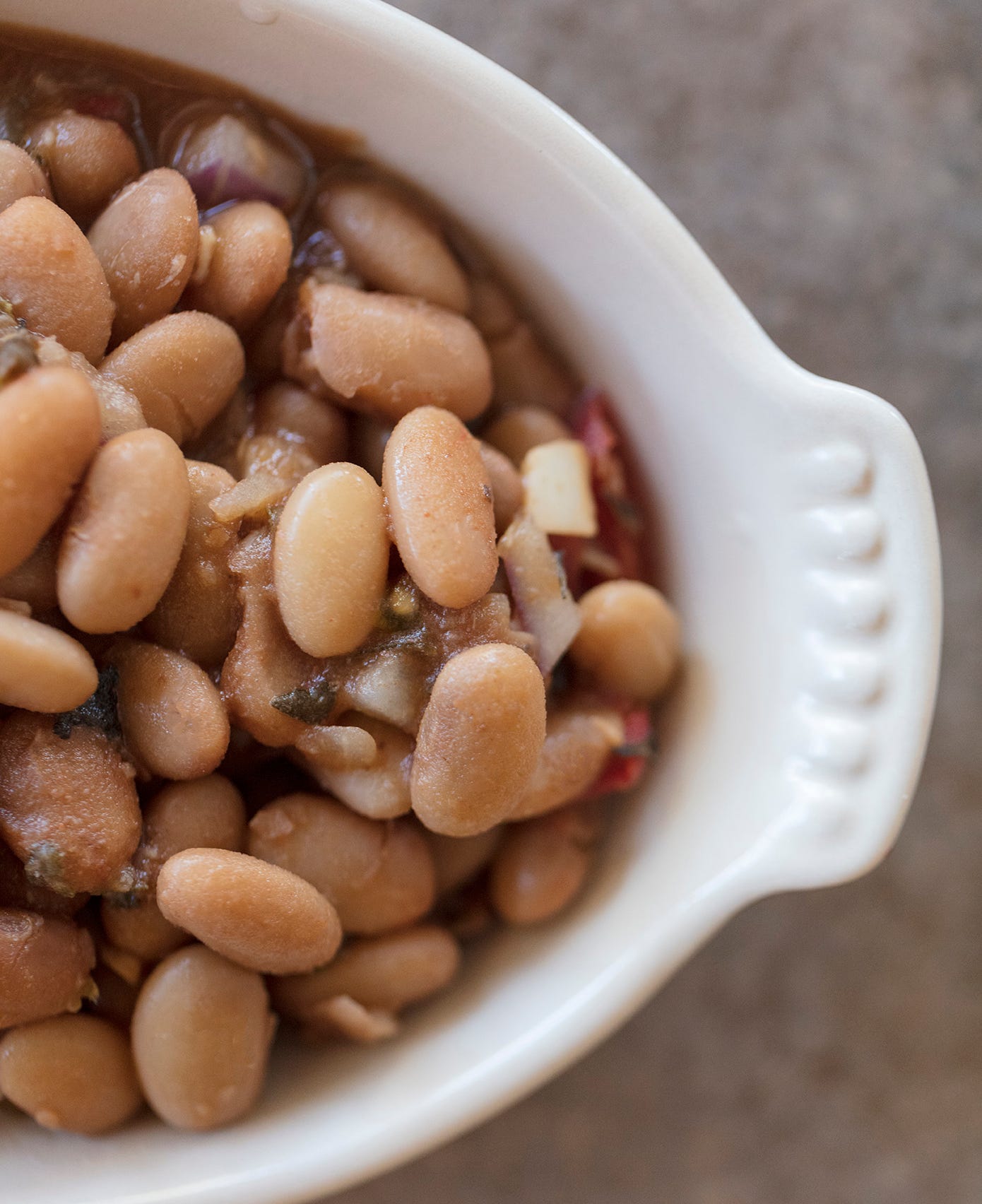
Charro Beans are the saucy, whole pinto beans that you see cowboys (charros) eating off tin plates by a campfire in old Western movies. Pinto beans cooked this way taste a whole lot better than doctored-up beans from a can (though I do use canned pinto beans for different reasons and situations). Sometimes I’ll eat these beans all by themselves with a bit of Queso Fresco on top as my whole meal.
I use both onion flakes and fresh onion in this recipe because I think it adds some complexity to the flavor. An entire head of garlic may seem like a lot, but the flavor mellows substantially as it cooks. Dried pinto beans are very economical. You can get a 16-ounce bag for less than the price of a cup of coffee.
This recipe is an excerpt from my cookbook Taste of Tucson and it was originally published on my dedicated recipe site at https://recipes.jackiealpers.com/charro-cowboy-beans/.
Find more recipes inspired by the Sonoran Desert region of the Arizona/Mexico borderlands at the archive link above.
Ingredients
1 head garlic
1 (16-ounce) bag dried pinto beans (2 cups)
2 quarts water
2 teaspoons sea salt (or more to taste, preferably Sonoran)
½ cup diced fresh tomatoes
¼ cup minced red onion
2 tablespoons red wine vinegar
2 tablespoons dried onion flakes
1 tablespoon dried Mexican oregano
1 tablespoon tomato paste
Instructions
Rinse the beans and examine them carefully. Remove anything that doesn’t look like a pinto bean such as small rocks or other debris. Pour the beans and about 2 quarts of water into a large Dutch oven or stock pot, making sure to leave 2 inches of water at the top of the beans. Stir in the chopped garlic and 2 teaspoons salt. Bring to a boil over high heat, then reduce the heat to medium and simmer uncovered until the beans are soft, 1 ½ to 2 hours. If the water evaporates too much during cooking, gently add more water so that the beans are always completely submerged.
DO NOT STIR THE BEANS! Apparently, stirring the bean pot at any point during the 2-hour cooking time is the sign of an unconfident chef, and you don’t want the beans to feel insecure about their fate.
Once the beans are soft, mince the remaining 3 garlic cloves and add them to the pot. Stir in the tomatoes, red onion, vinegar, dried onion flakes, oregano, and tomato paste. Simmer uncovered over low heat, stirring occasionally, for 30 minutes to reduce the liquid a bit. You want the beans to be slightly saucy, not soupy. Taste to check the seasoning to see if you need to add more salt, pepper, oregano, or onion flakes, then cover with a heavy lid, remove from heat, and let sit for about 10 minutes to allow the flavors to merge before serving.
Hungry for more? Order my Taste of Tucson cookbook.